
Short answer: A baby shower planning checklist helps you organize the date, guest list, invitations, food, activities, decorations, gifts, budget, and practical details without trying to do everything at once. Start with the basics, assign responsibilities, and keep the celebration comfortable for the expecting parent.
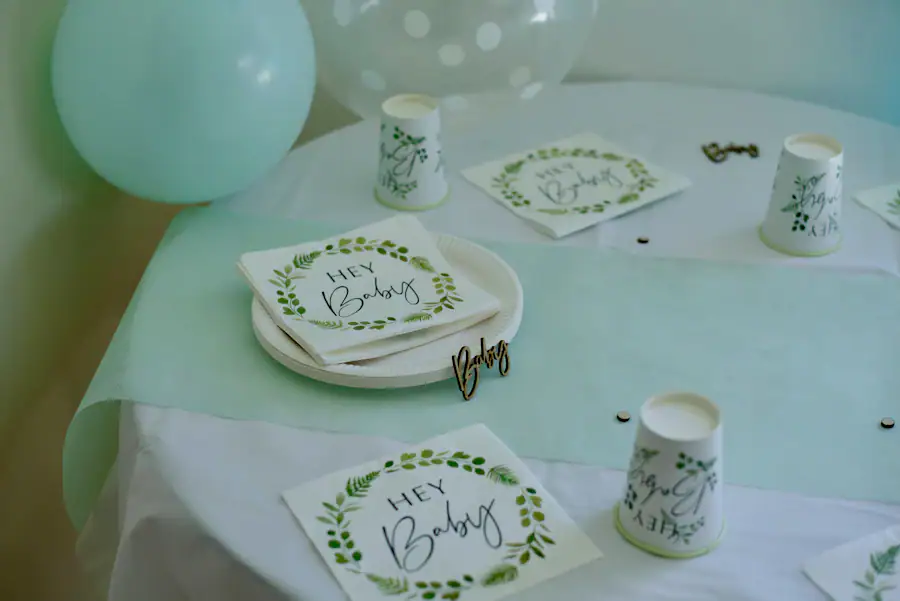
Baby Shower Planning Checklist
Planning a baby shower is easier when the event is divided into small decisions. You do not need an elaborate theme or a large budget. The most useful starting point is to agree on the guest list, date, location, budget, and the type of celebration the expecting parent would enjoy.
- Confirm the expecting parent’s preferences.
- Set a realistic budget.
- Choose a date and location.
- Create the guest list.
- Select a simple theme if desired.
- Plan food and drinks.
- Choose a few optional activities.
- Arrange decorations and table supplies.
- Plan gifts or a registry if appropriate.
- Assign setup and cleanup responsibilities.
1. Decide Who Is Hosting
Clarify who will handle the main planning tasks. One person can coordinate the event, or several family members and friends can divide responsibilities. Agree early on who will manage invitations, food, decorations, games, photography, and cleanup.
2. Set the Budget
Write down the total amount available before choosing decorations or activities. Divide the budget into broad categories such as food, venue, decorations, invitations, games, favors, and contingency. A simple gathering at home can work just as well as a larger event if it suits the family.
3. Choose the Date and Location
Choose a date that works for the expecting parent and important guests. Consider travel time, seating, restroom access, weather, and how much activity the parent is comfortable with. A home, community space, restaurant, or other suitable venue can all work depending on the group.
4. Build the Guest List and Send Invitations
Make the guest list before ordering food or supplies. Invitations can be digital or printed. Include the date, time, location, RSVP method, and any useful information about parking, dress expectations, theme, or gifts. Keep the invitation wording clear and avoid unnecessary details.
5. Plan Food and Drinks
Choose food that is easy to serve and suitable for the guests. Consider vegetarian options, common dietary needs, allergies, and non-alcoholic drinks. If the expecting parent has specific dietary restrictions or preferences, plan around those rather than making assumptions.
6. Choose Decorations and a Theme
A theme can be as simple as a color palette, seasonal idea, favorite style, or baby-related design. Focus decoration spending on a few visible areas such as the welcome table, food table, or photo area. Reusable decorations can reduce waste and cost.
7. Plan Baby Shower Activities
Games and activities are optional. Choose activities that match the guest group and the parent’s preferences. Examples include advice cards, a baby-name guessing activity, a simple quiz, or a message book for the baby. Avoid activities that embarrass guests or put pressure on the expecting parent.
8. Organize Gifts and Registry Information
If the expecting parent has a registry or preferred gift list, include the information with the invitation when appropriate. A gift table or clearly marked collection area can make the event easier to manage. Remember that gifts are optional and should not become the focus of the celebration.
9. Create a Simple Event-Day Schedule
- Welcome guests and allow time to settle in.
- Serve refreshments.
- Run one or two optional activities.
- Allow time for conversation and photos.
- Open gifts if the parent wants to.
- Finish with a simple thank-you and cleanup plan.
10. Keep the Expecting Parent Comfortable
The event should fit the parent’s energy, preferences, and schedule. Provide comfortable seating, easy access to water and restrooms, and opportunities to take breaks. If the parent prefers a shorter gathering or no games, the plan should accommodate that choice.
Baby Shower Planning Timeline
- Several weeks ahead: Confirm the host, budget, date, location, guest list, and general theme.
- Next stage: Send invitations, plan food, arrange decorations, and organize activities.
- Final week: Confirm RSVPs, purchase fresh food, prepare supplies, and assign event-day jobs.
- Event day: Set up early, keep the schedule flexible, and prioritize the parent’s comfort.
Frequently Asked Questions
When should you start planning a baby shower?
Start early enough to coordinate the date, guest list, venue, invitations, and food. The exact timing can vary according to the family and type of event.
What should be included in a baby shower checklist?
Include the host, budget, date, location, guest list, invitations, food, decorations, activities, gifts, event schedule, and cleanup responsibilities.
Does a baby shower need a theme?
No. A theme is optional. A simple color scheme or personal style can be enough to create a coordinated event.
What activities can be included?
Choose low-pressure activities such as advice cards, simple quizzes, baby-name games, or a message book. Activities should suit the parent and guests.
Where can I find more pregnancy planning resources?
Visit the Pregnancy Hub for pregnancy planning tools and educational resources. You can also explore pregnancy planners, checklists and women’s wellness resources.
Conclusion
A successful baby shower does not require a complicated plan. Start with the parent’s preferences, set a practical budget, organize the guest list and essentials, and keep the event flexible. A simple checklist can make planning easier while leaving more time for the people celebrating the new arrival.
This content is for general education and planning purposes only. It is not medical advice. For personal guidance during pregnancy, please consult a qualified healthcare professional.