
Short answer: A practical hospital bag checklist for first-time moms covering documents, comfortable clothing, personal care items, baby basics, and useful backup supplies.
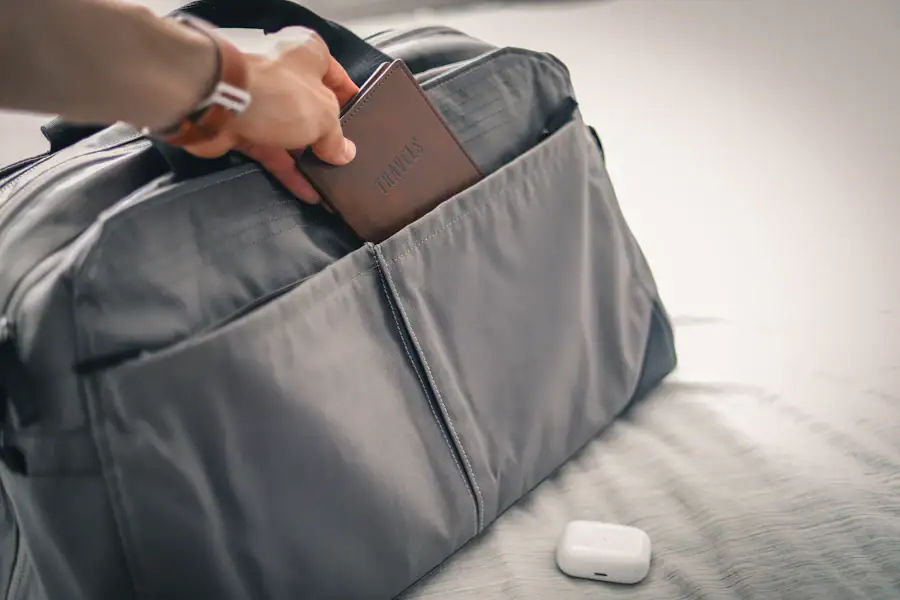
Hospital Bag Checklist
Start with the practical items you may need during the hospital or birth-center stay and the journey home. Requirements vary by facility, so check your hospital or birth center’s own instructions before packing.
- Identification and important documents
- Comfortable clothing and footwear
- Personal hygiene items
- Phone and charging cable
- Basic snacks or drinks if permitted
- Baby clothing and diapers according to facility guidance
- Any personal items specifically recommended by your healthcare team
- Safe transportation arrangement for going home
How to Organize the Bag
Use separate pouches or packing cubes for documents, personal care, clothing, baby items, and electronics. Put items you may need quickly near the top. Keep a short written checklist so another person can find things easily.
Before You Leave Home
- Check your facility’s current bag recommendations.
- Confirm transportation arrangements.
- Check documents and contact information.
- Make sure essential clothing and baby items are clean and ready.
- Keep the bag somewhere easy to reach.
Frequently Asked Questions
When should I pack my hospital bag?
Many parents prepare the core bag before the final weeks so it is ready if plans change.
Do I need to pack everything listed online?
No. Prioritize facility requirements and your personal needs rather than packing every suggested item.
What should I pack for the baby?
Pack practical clothing and other items recommended by your facility, plus a safe transportation plan for going home.
Where can I find more pregnancy planning resources?
Visit the Pregnancy Hub and explore pregnancy planners and checklists.
Conclusion
A well-organized hospital bag is usually more useful than an oversized one. Pack practical essentials, follow your facility’s instructions, and keep the bag accessible.
This content is for general education only and is not medical advice. For personal guidance, please consult a qualified healthcare professional.