
Short answer: Newborn essentials are the practical items you are most likely to use during the first days and weeks after birth. A simple checklist can help you prepare clothing, feeding supplies, diapering items, sleep essentials, basic hygiene products, and important documents without buying more than you need.
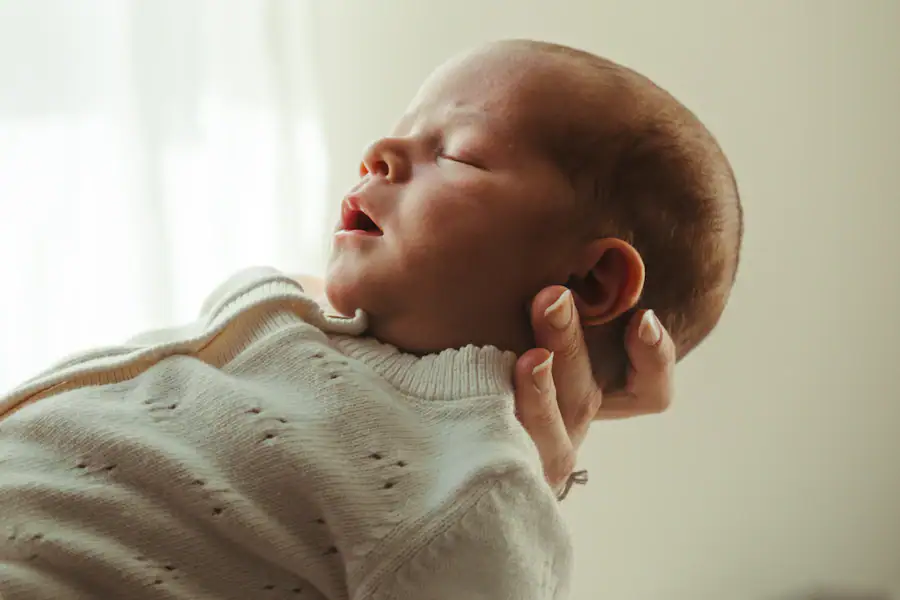
What Are Newborn Essentials?
Newborn essentials are the everyday supplies that support basic care after a baby arrives. The exact list varies by family, feeding method, season, home setup, and advice from the baby’s healthcare professional. The goal is not to have every baby product before birth. It is to have enough practical supplies for feeding, changing, clothing, safe sleep, hygiene, transportation, and the first few days at home.
Newborn Essentials Checklist
1. Clothing
- Several soft, easy-to-change newborn or 0–3 month outfits
- Sleepers or bodysuits appropriate for the season
- Soft socks or booties if needed
- Weather-appropriate outer layers
- A few soft hats when appropriate for your setting
Choose comfortable clothing with simple fasteners and avoid buying too many newborn-size outfits. Babies can grow quickly, and sizing varies between brands. Wash new clothing according to the garment instructions before use.
2. Diapering Supplies
- Disposable diapers or a suitable cloth-diaper setup
- Unscented wipes or clean water and soft cloths
- A changing mat or washable changing surface
- Diaper disposal supplies
- Several washable burp or cleaning cloths
Keep diapering supplies in an easy-to-reach location. A small portable basket can make it easier to move basic supplies between rooms. For newborn skin, follow your healthcare professional’s guidance if there is persistent irritation, a rash, or another skin concern.
3. Feeding Supplies
Feeding needs depend on whether you breastfeed, use expressed milk, use formula, or combine feeding methods. If breastfeeding is planned, useful supplies may include burp cloths, nursing pads, and a comfortable feeding area. If bottles are being used, parents may need bottles, nipples suitable for the baby’s age, cleaning supplies, and a safe method for preparing and storing feeds.
- Burp cloths
- Bottles and feeding equipment if needed
- Bottle-cleaning supplies if bottles are used
- A nursing pillow if desired and used safely
- Storage containers or bags if expressing milk
Feeding equipment should be cleaned and prepared according to manufacturer instructions and current guidance from your healthcare professional. Avoid buying a large quantity of one feeding product before you know what works for your baby.
4. Safe Sleep Essentials
A baby’s sleep space should be planned before birth. Parents commonly prepare a crib, bassinet, or other appropriate sleep space that meets current safety guidance. Keep the sleep area simple and free from unnecessary items. Check current recommendations from a trusted pediatric or public-health organization when preparing the baby’s sleep environment because safety guidance can change.
- Appropriate crib, bassinet, or other safe sleep space
- Firm, properly fitted sleep surface
- Fitted sheets designed for the sleep surface
- Weather-appropriate clothing or sleepwear
5. Bathing and Hygiene
- Soft washcloths
- Baby towels
- A suitable baby bathing setup
- Gentle products if recommended or preferred
- Basic nail-care supplies designed for babies
Newborn care does not require a large collection of cosmetic products. Keep hygiene supplies simple and choose products carefully, especially if your baby has sensitive skin. Ask a healthcare professional about persistent skin problems rather than trying multiple products at once.
What to Prepare for Leaving the Hospital
Before the due date, prepare the items needed for the journey home. In many locations, this includes an appropriately installed infant car seat when traveling by car. Add a weather-appropriate baby outfit, a clean diaper, and a few backup supplies. Keep the bag easy to reach rather than packed away in storage.
Newborn Essentials for Parents
Preparing for a newborn is not only about baby products. Parents also benefit from practical household preparation. Keep easy meals available, organize commonly used supplies, wash essential baby clothing, and identify where important medical and contact information will be kept. A simple plan can reduce last-minute decisions during the first days at home. As part of your wider preparation, you can also read our guides on gestational age and fetal age, preparing for your first prenatal appointment, and creating a birth plan checklist.
What You May Not Need to Buy Before Birth
Marketing can make it seem as though newborns need dozens of specialized products. Many families can start with a smaller collection of essentials and add items after learning what their baby actually needs. Large quantities of newborn-size clothing, specialized gadgets, multiple types of feeding equipment, and duplicate nursery products may be unnecessary.
A Simple Newborn Preparation Timeline
- Early preparation: Decide where the baby will sleep and start a basic checklist.
- Middle of pregnancy: Compare practical options for clothing, diapering, feeding, and transportation.
- Later pregnancy: Wash essential clothing, organize supplies, and prepare the hospital or birth bag.
- Before the due date: Check the baby’s sleep space, transportation plan, important documents, and contact information.
Frequently Asked Questions
How many newborn clothes do I need?
A small rotation of easy-to-wash outfits is usually more practical than a large newborn wardrobe. Keep a few sizes available because babies grow at different rates.
What are the most important newborn items?
Prioritize a safe sleep space, suitable clothing, diapering supplies, feeding supplies appropriate to your plan, basic hygiene items, and safe transportation arrangements.
Do I need to buy every baby product before birth?
No. Start with practical essentials and add products as your family’s needs become clearer.
When should I prepare newborn essentials?
Many parents spread preparation across pregnancy and aim to have the core essentials organized before the final weeks. Your own timeline can depend on your circumstances and healthcare plan.
Where can I organize my pregnancy planning resources?
You can use the Pregnancy Hub for pregnancy planning tools and educational resources, and explore pregnancy planners, checklists and women’s wellness resources for additional planning support.
Conclusion
A newborn essentials checklist works best when it focuses on practical daily needs rather than buying everything marketed for new parents. Prepare the basics for clothing, diapering, feeding, safe sleep, hygiene, transportation, and household organization, then adjust your supplies as your baby’s needs become clearer.
Start with the essentials, keep your checklist simple, and prepare one step at a time.
This content is for general education only and is not medical advice. For personal guidance, please consult a qualified healthcare professional.