
Use this free pregnancy calculator to estimate how many weeks and days pregnant you are, identify your current trimester, and view an approximate conception date from the first day of your last menstrual period (LMP). Results are estimates for general information only.
Free Pregnancy Calculator
Find your estimated pregnancy week, days pregnant, current trimester, and an approximate conception date using your last menstrual period.
Calculate Your Pregnancy Progress
Your Pregnancy Progress
How Does a Pregnancy Calculator Work?
This calculator estimates gestational age from the first day of your last menstrual period (LMP).
- Last Menstrual Period (LMP): The first day of your last period.
- Conception Date: If known, this can refine the calculation.
- Ultrasound Dating: Early ultrasounds provide the most accurate due date.
Pregnancy weeks are usually counted from the first day of the last menstrual period. Conception often occurs about two weeks later in a typical cycle, but timing varies.
Pregnancy Weeks & Trimester Timeline
First Trimester (Weeks 1-12)
- Major fetal development begins (heart, brain, limbs).
- Early pregnancy symptoms (nausea, fatigue).
Second Trimester (Weeks 13-26)
- Baby’s movements felt (quickening).
- Gender may be detectable via ultrasound.
Third Trimester (Weeks 27-40+)
- Rapid growth & final organ development.
- Preparation for labor & delivery.
Frequently Asked Questions
Due dates are estimates. Ultrasounds in the first trimester provide the most precise dating.
Yes, if early ultrasound measurements differ significantly from LMP-based calculations.
An early ultrasound can help determine gestational age.
- IVF pregnancies use embryo transfer dates.
- Irregular cycles may require ultrasound confirmation.
Tips for a Healthy Pregnancy
Eat folate-rich foods, iron, and calcium for healthy fetal development.
Safe activities like walking or prenatal yoga can benefit you and your baby.
Regular check-ups with your healthcare provider ensure a healthy pregnancy.
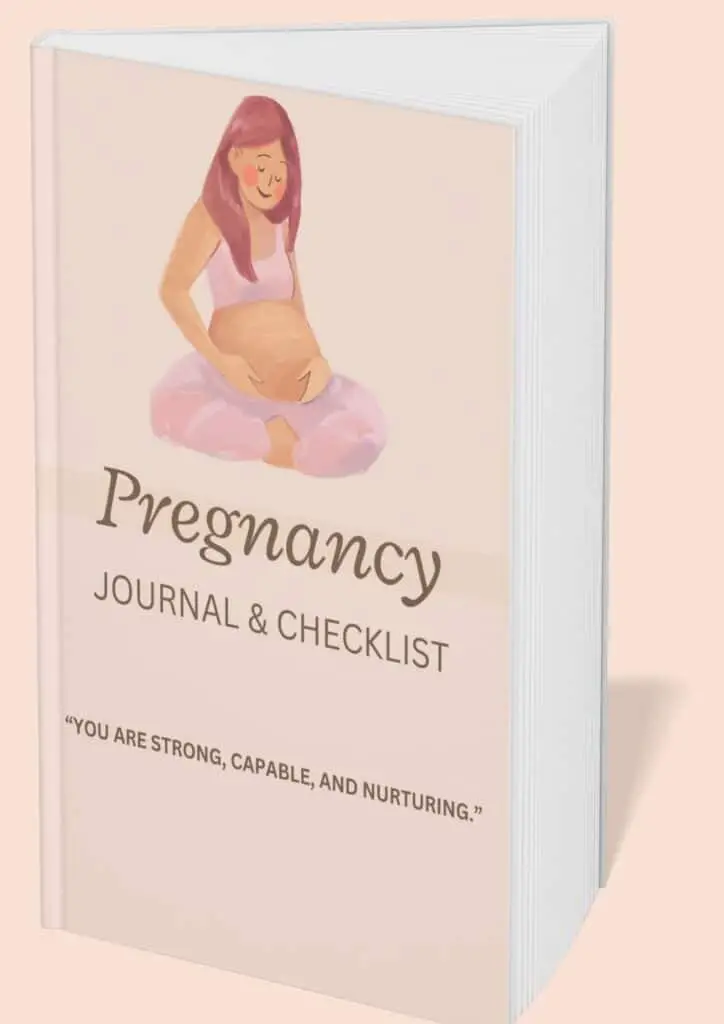
Buy Pregnancy Journal and Planner – Track Your Beautiful Journey
Stay organized and cherish every moment of your pregnancy with our Pregnancy Journal and Planner. This beautifully designed journal helps you track your baby’s growth, doctor appointments, diet plans, mood swings, and special memories.
✨ Features:
✔ Weekly & Monthly Pregnancy Tracker
✔ Doctor Appointment Log
✔ Diet & Wellness Planner
✔ Baby Name Ideas & Checklist
✔ Notes & Memories Section
🎁 Perfect Gift for Moms-to-Be!
📦 Order Now and start your joyful pregnancy journey!
Introduction to Free Pregnancy Calculator
Pregnancy is an exciting journey, filled with anticipation and questions. One tool that has become increasingly popular among expectant parents is the pregnancy calculator. But what exactly is a pregnancy calculator, and why is it so important?

Discover stylish and comfortable maternity wear at InnerGlam. Shop trendy dresses, tops, and essentials that fit beautifully during pregnancy. Stay chic and confident!
What is a Free Pregnancy Calculator?
A pregnancy calculator is a tool designed to help you estimate the key dates of your pregnancy, such as your due date, conception date, and important milestones. These calculators use basic information like the date of your last menstrual period (LMP) to provide an estimated timeline of your pregnancy.
Importance of Using a Free Pregnancy Calculator
Using a pregnancy calculator can be invaluable for planning and preparation. Whether you're trying to conceive, are newly pregnant, or are even just curious about your pregnancy timeline, a pregnancy calculator can offer you insights and help you stay informed throughout your pregnancy journey.
How Does a Free Pregnancy Calculator Work?
Basic Functionality
The basic function of a pregnancy calculator is to estimate key dates based on your LMP. By entering this date, the calculator uses a formula to predict your due date, typically 40 weeks from the start of your last period.
The Science Behind Free Pregnancy Calculator
Pregnancy calculators rely on the standard 28-day menstrual cycle as a baseline. They calculate the expected date of ovulation and, from there, estimate when conception likely occurred. While this is a generalized approach, it provides a reasonably accurate prediction for most women.
Different Types of Free Pregnancy Calculators
Not all pregnancy calculators are the same. Some offer basic estimations, while others provide more detailed information, such as trimesters, fetal development stages, and even suggestions for prenatal care. The choice of calculator can depend on your needs and the level of detail you’re looking for.
Key Features of a Free Pregnancy Calculator
Accuracy and Precision
One of the most important features of a pregnancy calculator is its accuracy. While no calculator can predict your exact due date with absolute certainty, a good calculator will provide a close estimate that can guide you through your pregnancy.
User-Friendliness
A pregnancy calculator should be easy to use, even for those who aren’t tech-savvy. Most online calculators require just a few clicks and minimal information to provide results.
Customizable Options
Some calculators offer customizable options, allowing you to input more detailed information, such as your cycle length or previous pregnancy history. This can improve the accuracy of the results.
Types of Pregnancy Calculators
There are several types of pregnancy calculators available:
Due -Date Calculator: This method uses ultrasound measurements to determine gestational age and estimate the due date.
Learn More About Pregnancy Calculator
🤰 Explore the Pregnancy Hub — due date, pregnancy week, weight gain and conception calculators, plus trimester checklists and guides.
Once you have your due date, plan all nine months with the Ultimate Pregnancy Planner & Keepsake Bundle — trackers, checklists and keepsake pages in one 88-page PDF.
See the Bundle →